
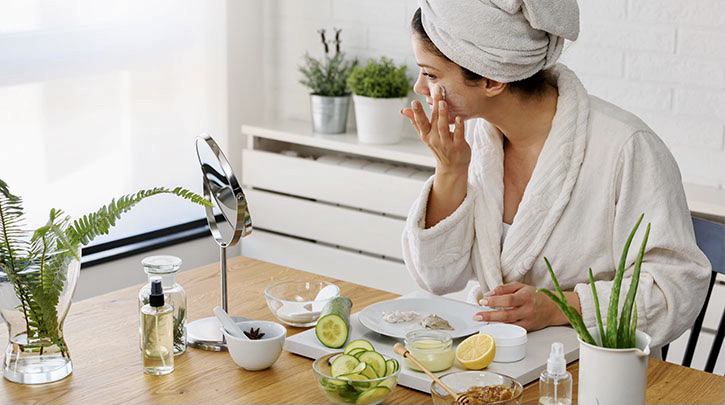

The appeal of crafting skincare treatments in your own kitchen is undeniably strong. Kitchen remedies feel wholesome, cost effective, and transparent. Social media platforms overflow with short tutorials showing creators blending pantry staples like avocado, lemon juice, turmeric, and baking soda into pasty mixtures promising porcelain skin overnight. The underlying assumption is simple: if an ingredient is safe, nutritious, and natural to eat, it must be equally beneficial and pure for topical application on human skin.
Dermatological science paints a distinctly different picture. While nature certainly provides potent botanical compounds that inspire cosmetic chemistry, raw food items are fundamentally unformulated. Applying edible groceries directly onto the complex biological landscape of the face frequently disrupts the epidermal ecosystem. Separating proven benefits from viral myths requires a closer look at molecular size, biological pH, bacterial purity, and the protective role of the skin barrier.
The Underlying Appeal and Underlying Pitfalls of Homemade Skincare
The surge in do-it-yourself skincare stems largely from clean beauty marketing. Many individuals develop an unwarranted fear of synthetic ingredients and turn to their pantry as a safe haven. The thought process seems logical: eating whole foods improves internal health, so smearing them on the epidermis should offer localized nutrition.
However, human skin is not an absorptive digestive tract. Its primary biological function is defense, acting as a dynamic, tightly sealed shield to keep external matter out. When you prepare a mask at home, several hidden vulnerabilities arise:
-
Absence of Preservation: Raw foods spoil rapidly. Water-based mixtures made with fruit, milk, or purees harbor microscopic mold spores and bacteria within hours of preparation, introducing viable pathogens directly into your pores.
-
Unregulated Concentrations: When you slice open a lemon or crush a clove of garlic, you cannot measure the exact percentage of active compounds. One citrus fruit might contain a mild dose of acid, while the next delivers an intense concentration strong enough to cause chemical burns.
-
Incompatible Molecular Sizes: Edible nutrients often possess large, complex molecular structures. Without cosmetic delivery vehicles, molecules like collagen in egg whites or triglycerides in raw butter simply sit on the surface without penetrating the dermal layers where real change occurs.
-
Disruption of the Acid Mantle: Human skin thrives under slightly acidic conditions, typically hovering between a pH of 4.5 and 5.5. Common kitchen ingredients regularly veer into extreme acidity or harsh alkalinity, which dismantles this protective layer.
Analyzing Viral DIY Ingredients: Fact vs. Fiction
To understand what belongs on your face and what should stay on your dinner plate, we must evaluate popular kitchen ingredients through an objective chemical lens.
Lemon Juice and Citrus Fruits
-
The Popular Claim: Fresh lemon juice acts as an all-natural brightening toner and dark spot eraser thanks to high concentrations of vitamin C and citric acid.
-
The Reality: Lemon juice registers at a caustic pH level between 2.0 and 3.0, which is dramatically more acidic than healthy facial tissue. Direct application strips the lipid matrix, triggering chemical irritation, peeling, and redness. Worse, citrus rinds and juices contain naturally occurring compounds known as psoralens. When exposed to natural sunlight, psoralen-soaked skin develops phytophotodermatitis, a phototoxic reaction that produces blistered, hyperpigmented lesions that can linger for months. Pure L-ascorbic acid found in professionally formulated skincare is carefully buffered and stabilized for safe tolerance; raw lemon juice is not.
Baking Soda
-
The Popular Claim: Sodium bicarbonate serves as an affordable microdermabrasion scrub and a reliable blackhead remover due to its fine, grimy texture.
-
The Reality: Baking soda possesses an alkaline pH of around 8.0 to 9.0. Rubbing an alkaline compound onto an acidic skin barrier neutralizes the acid mantle instantly. This sudden shift dissolves intercellular lipids, impairs desquamation enzymes, and leaves the skin defenseless against environmental irritants. Furthermore, baking soda crystals have jagged, irregular edges that create microscopic tears on delicate facial skin, leading to chronic redness and rebound dryness.
Raw Honey
-
The Popular Claim: Honey heals inflammatory breakouts, provides rich moisture, and calms redness through its natural antimicrobial properties.
-
The Reality: This is one instance where scientific research partially supports the natural claim, provided the correct variety is selected. Medical-grade honey and unpasteurized raw Manuka honey contain natural hydrogen peroxide activity, methylglyoxal, and high osmolarity that inhibit microbial growth while drawing ambient moisture into the surface tissue as a humectant. However, ordinary commercial honey found on standard grocery shelves is heavily heat-processed, filtered, and occasionally diluted with corn syrup, stripping away beneficial enzymes while leaving behind a sticky residue that can congest pores.
Egg Whites
-
The Popular Claim: Whisked egg whites tighten loose skin, shrink enlarged pores, and instantly firm fine lines.
-
The Reality: As raw egg whites dry across the skin, the protein albumin dehydrates, shrinking and tightening physically across the surface to produce an immediate tightening sensation. This effect is entirely cosmetic and vanishes the moment the mask is washed off. Pores do not possess muscles and cannot open or close. More importantly, using raw egg products introduces a legitimate risk of Salmonella contamination onto broken skin barriers or near mucous membranes around the lips and eyes.
Oatmeal
-
The Popular Claim: Ground kitchen oatmeal soothes itchiness, relieves eczema flare-ups, and calms irritated complexions.
-
The Reality: Oatmeal is genuinely beneficial, but form matters. The variety backed by clinical dermatology is colloidal oatmeal, which consists of whole oat grains ground into an ultra-fine, dispersible powder containing beta-glucans, lipids, and avenanthramides. Coarsely blending standard breakfast rolled oats in a kitchen food processor produces abrasive, jagged flakes lacking the uniform suspension needed to form an occlusive, anti-inflammatory film.
Apple Cider Vinegar
-
The Popular Claim: Diluted vinegar clears persistent acne, tightens skin, and restores ideal skin pH balance.
-
The Reality: Apple cider vinegar consists primarily of acetic acid. While it does possess mild antibacterial properties, it remains volatile and corrosive when applied directly to facial skin. Even when home users dilute it with water, imprecise ratios often result in chemical irritation, severe contact dermatitis, and prolonged compromise of the stratum corneum. Standard over-the-counter salicylic acid or lactic acid products deliver controlled, non-irritating exfoliation without the unpredictability of homemade vinegar washes.
Understanding the Difference Between Food Chemistry and Cosmetic Chemistry
The fundamental flaw in DIY skincare lies in confusing nutritional goodness with topical bioavailability. When we ingest food, our gastrointestinal tract systematically breaks down proteins, vitamins, and minerals into tiny bioavailable components distributed through systemic blood circulation.
Cosmetic chemists formulate laboratory products with specific delivery systems, using liposomes, microencapsulation, and precise pH buffers. These specialized carriers allow active ingredients to cross the stubborn stratum corneum without damaging the acid mantle. Cosmetic formulations also contain broad-spectrum preservative systems that prevent the proliferation of pathogenic bacteria, yeasts, and molds, keeping the formula stable and hygienic over several months. A DIY mask sitting in a ceramic kitchen bowl lacks these protective stabilizers, turning an innocent self-care evening into a vehicle for bacterial contamination and barrier destruction.
How to Build a Safe Skincare Routine Without Kitchen Risks
If you wish to maintain an accessible, uncomplicated skincare regimen without taking risks with homemade kitchen mixtures, adopt a minimalist approach using properly tested products:
-
Use a Gentle Non-Stripping Cleanser: Select a fragrance-free, pH-balanced cleanser designed to wash away debris without disturbing the lipid barrier.
-
Incorporate Tested Plant-Derived Extracts: Seek out commercially stabilized botanical ingredients, such as green tea extract, centella asiatica, or licorice root, which offer natural soothing benefits in safe, sterile bases.
-
Rely on Single-Ingredient Pure Carrier Oils: If you prefer pure products, choose single-ingredient cold-pressed jojoba oil, squalane, or rosehip seed oil manufactured specifically for cosmetic use rather than cooking.
-
Focus on Established Barrier Builders: Incorporate creams containing ceramides, glycerin, and hyaluronic acid to maintain long-term hydration safely.
Frequently Asked Questions
Can I safely use kitchen spices like cinnamon or nutmeg in a DIY facial scrub? No, kitchen spices like cinnamon, clove, and nutmeg contain potent volatile essential oils that act as strong skin irritants and contact allergens. Applying them directly to the face often causes severe burning, prolonged redness, swelling, and in serious instances, contact urticaria.
Why does my skin feel incredibly soft right after using a sugar and coconut oil scrub? Sugar granules provide abrasive mechanical exfoliation that aggressively buffs away dead surface cells, while dense coconut oil leaves behind a heavy surface film. This immediate smoothness is deceiving; the irregular edges of coarse sugar create micro-fissures in the skin, while coconut oil is highly comedogenic for many individuals, often leading to deep, clogged pores days later.
Are pure plant oils from the grocery baking aisle the same as cosmetic grade facial oils? Cooking oils and cosmetic facial oils undergo different refinement and purification standards. Culinary oils may contain impurities, oxidation byproducts, or processing residues suitable for ingestion but problematic for delicate facial pores. Cosmetic-grade oils are stabilized, refined specifically for topical use, and evaluated for comedogenicity and skin compatibility.
Can natural DIY face masks cause permanent dark patches on darker skin tones? Yes. Skin of color produces melanin rapidly in response to inflammation. Irritating ingredients like raw garlic, neat essential oils, citrus juices, or coarse scrubs trigger post-inflammatory hyperpigmentation. These dark marks can take anywhere from several months to years to fade completely.
Is it safe to leave a homemade avocado or yogurt mask on overnight? Leaving raw food mixtures on the skin overnight is unsafe. As food sits at room temperature against warm human skin, bacterial and fungal growth accelerates rapidly. Furthermore, proteins in food dry out, cake onto the surface, and pull moisture away from the skin, causing unnecessary tightness, irritation, and follicular plugging.
Why does green tea work well in commercial serums but splashing brewed tea on my face shows minimal results? Commercially formulated green tea products use concentrated, standardized extracts containing high percentages of active epigallocatechin gallate, stabilized against rapid oxidation. Freshly brewed kitchen tea is mostly water with very low concentrations of active polyphenols that oxidize and lose their antioxidant potency within minutes of exposure to air and light.
What should I do immediately if a DIY mask begins to burn or sting my skin? Wash the mixture off immediately using copious amounts of cool or lukewarm running water. Avoid using soaps, cleansers, or additional treatments. Pat the area dry with a clean, soft cloth and apply a simple, bland moisturizer containing pure petrolatum, ceramides, or colloidal oatmeal. If blistering, intense swelling, or persistent pain occurs, consult a physician promptly.

Comments are closed.