

Beauty is often discussed through skincare, clothing and grooming, but physical presence also influences how people perceive themselves. The way a person stands, walks, sits and occupies space can affect how clothes fall, how confident they appear in photographs and how comfortable they feel in social settings.
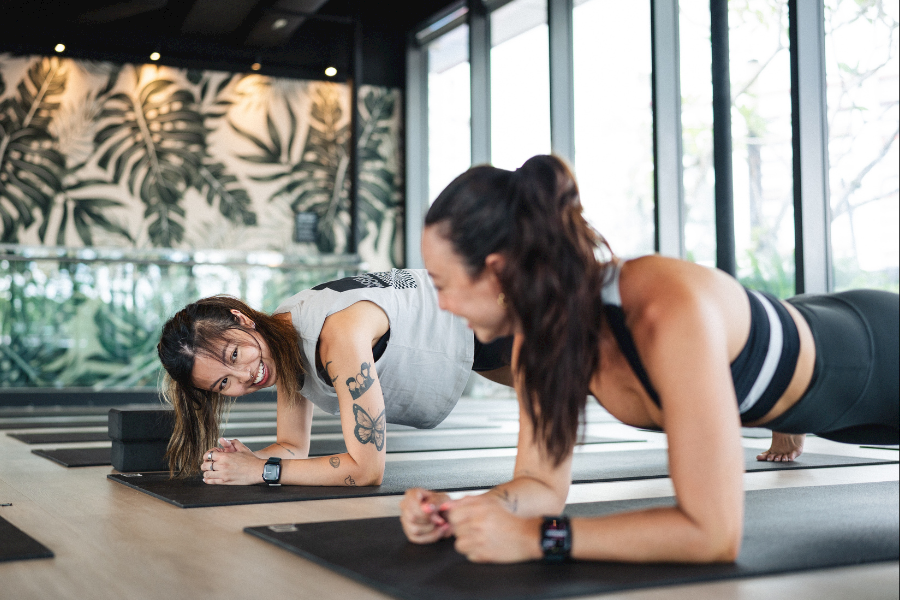
Practising at a yoga studio Singapore residents can visit regularly may support greater awareness of posture and movement. Yoga does not promise a particular body shape, nor should it be treated as a quick cosmetic correction. Its value lies in helping people understand how they organise their body, where they hold unnecessary tension and how they can move with greater control.
Posture Is Dynamic, Not a Perfect Position
Posture is sometimes presented as a rigid ideal, with the shoulders pulled back and the spine held perfectly straight. Human posture is more complex. The body continually adjusts while standing, sitting, walking and changing direction.
Healthy posture is better understood as the ability to use different positions comfortably. Remaining in any single position for too long can create fatigue, even if that position appears visually correct.
Yoga classes introduce variety. Participants move between standing, seated, kneeling and floor-based positions. This helps them recognise that posture is not something to fix once. It is a skill that responds to movement, breathing, strength and daily habits.
Body Awareness Changes Personal Presentation
Many people do not notice that they repeatedly lift one shoulder, lean into one hip or push their head forward while using a phone. These habits can become visible in photographs, video calls and the way clothing sits.
Yoga brings attention to weight distribution and alignment. A standing posture may reveal that one foot carries more pressure. A balance may show that the body rotates to one side. A seated position may highlight tension around the neck and upper back.
Awareness alone does not instantly change these patterns, but it creates the opportunity to respond. Over time, participants may become more comfortable adjusting their position without forcing themselves into an artificial pose.
Poise Comes from Control
Poise is not limited to formal occasions. It can appear in the ability to rise from a chair smoothly, turn without rushing or stand comfortably while speaking to a group.
Yoga can develop this quality through controlled transitions. Moving slowly from one posture to another requires coordination, balance and attention. The transition matters as much as the final position.
This is different from trying to appear graceful. Genuine poise emerges when movement feels organised. A person who trusts their balance and understands their range is less likely to move with visible hesitation.
Breathing Affects How Tension Appears
Stress often changes personal presentation. The shoulders rise, the jaw tightens and breathing becomes shallow. These responses may affect how relaxed or confident someone looks, even when they are wearing carefully selected clothing or makeup.
Breathing practices encourage participants to notice these reactions. A slower exhalation may help reduce unnecessary muscular effort. The goal is not to eliminate every sign of stress, but to prevent tension from dominating the body.
Breathing should remain comfortable. Forcing deep breaths can create more tension. Skilled instruction helps participants work within a rhythm that feels controlled rather than performative.
Shoulder Position and Clothing Fit
Clothing is designed around assumptions about how the shoulders, torso and hips are positioned. When the body habitually collapses or rotates, a garment may pull, twist or sit unevenly.
Yoga cannot alter the construction of clothing, but improved awareness may help a person stand more naturally during fittings and recognise why certain designs feel restrictive. Strength and mobility around the upper back can also make it easier to maintain different positions without constant adjustment.
This connection is relevant to personal style because comfort affects presentation. Someone who is repeatedly pulling at a neckline or adjusting a waistband may appear less at ease, regardless of how fashionable the outfit is.
Neck and Head Position Influence Photographs
Modern life places the head in a forward position for long periods. Phones, laptops and desk work encourage people to look down or reach towards a screen. When this habit carries into photographs, the neck may appear compressed and the shoulders rounded.
Yoga classes that include upper-back mobility, shoulder control and balanced standing can improve awareness of head position. The objective is not to pose with a stiff neck. It is to allow the head to rest more naturally over the torso.
Photographic confidence improves when people feel less compelled to hold an exaggerated posture. A comfortable position is easier to maintain and usually appears more authentic.
Confidence Should Not Depend on Flexibility
Social media can create the impression that yoga confidence comes from performing visually dramatic poses. This idea can be damaging. Flexibility differs widely, and extreme range is not necessary for a meaningful practice.
Body confidence is more likely to grow when participants experience capability. Holding a stable position, understanding a modification or moving without fear can change how someone relates to their body.
The emphasis should remain on personal progress, not comparison. A class environment that values control and individual range is more supportive than one that treats advanced postures as a beauty standard.
Avoid Turning Posture into Body Criticism
Posture discussions can easily become judgemental. Terms such as “bad posture” may make people feel that their body is failing. A more constructive approach is to discuss habits, options and comfort.
A rounded position is not automatically harmful. The body is designed to flex, extend and rotate. The issue is often a lack of movement variety or difficulty leaving a position when it becomes uncomfortable.
Yoga should expand choices rather than impose a single correct appearance. Participants benefit when instructors explain why an alignment option is being used and how it supports the purpose of the movement.
Consistency Matters More Than Intensity
Postural awareness develops through repetition. One demanding class is unlikely to transform how someone sits through an entire working day. Regular practice provides repeated opportunities to notice and adjust familiar patterns.
Consistency also makes it easier to recognise subtle progress. A participant may find that standing feels less tiring, transitions become smoother or tension is noticed earlier. These changes may influence appearance, but they are rooted in function.
A varied programme at Yoga Edition can help practitioners explore alignment, strength, mobility and recovery without reducing beauty to a single visual outcome.
The most valuable form of body confidence is not the belief that the body looks perfect. It is the ability to move, dress and participate in daily life with less self-consciousness.
Frequently Asked Questions
Can yoga permanently correct posture?
Posture is influenced by work habits, strength, mobility, stress and daily movement. Yoga may improve awareness and capacity, but lasting change usually requires consistent habits beyond class.
Will yoga make someone appear taller?
Yoga does not increase adult height. A more comfortable standing position may create a more upright appearance without physically changing height.
Is flexibility necessary for better poise?
No. Poise depends more on control, balance and confidence than extreme flexibility.
Can yoga improve how clothes fit?
It cannot change garment construction or body measurements immediately. Better awareness of posture and movement may help clothing sit more naturally and feel more comfortable.
Are advanced poses better for body confidence?
Not necessarily. Confidence often develops through mastering suitable movements and respecting personal limits. Advanced postures are not required.
How often should someone practise for postural awareness?
Regular practice is more useful than occasional intensity. The appropriate frequency depends on schedule, recovery and other physical activity.

Comments are closed.