
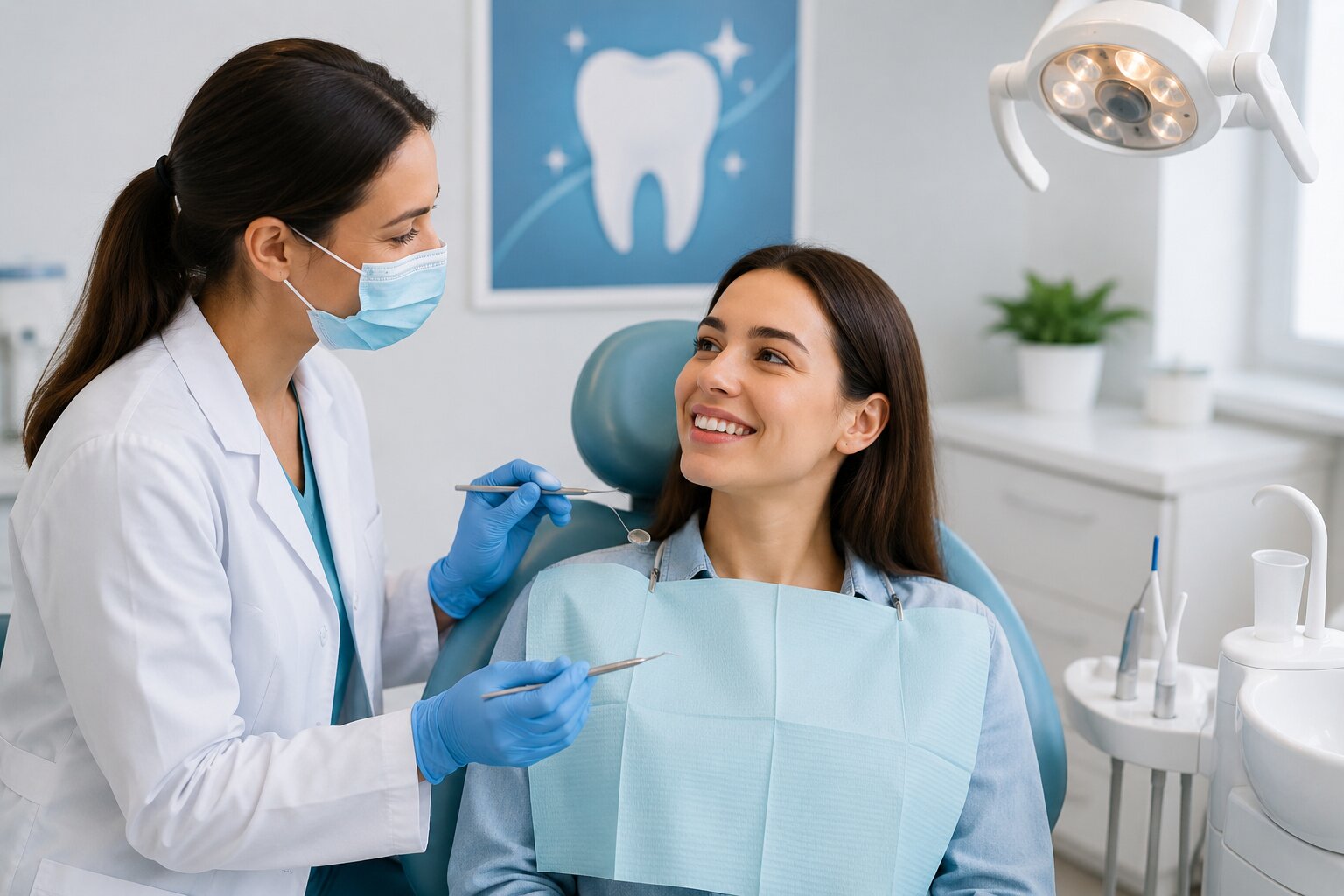

The mouth is often described as a mirror reflecting the general condition of the entire human body. For decades, routine dental appointments were viewed merely as cosmetic touch-ups or isolated checkups to fix occasional toothaches and polish discolored enamel. Modern medical science demonstrates that the oral cavity functions as a direct gateway to the respiratory, cardiovascular, and metabolic systems.
Neglecting preventive dental hygiene does far more than create local decay. It provides an unhindered point of entry for aggressive bacterial colonies, chronic systemic inflammation, and toxic biochemical byproducts that circulate throughout the entire bloodstream. Consistent, routine dental care serves as a front-line defense against debilitating, life-threatening medical conditions that extend far beyond the jawline.
The Mouth-Body Connection and Systemic Inflammation
The human oral cavity hosts hundreds of diverse bacterial species that coexist in a delicate biological equilibrium. Under normal, hygienic conditions, standard brushing, flossing, and periodic professional scalings keep dangerous strains under control. When oral hygiene declines, sticky biofilms known as plaque harden into calculus or tartar. This substance harbors virulent anaerobic pathogens, including Porphyromonas gingivalis, Treponema denticola, and Tannerella forsythia.
As these pathogens multiply along the gum margin, the immune system responds with sustained inflammation. This localized inflammation manifests as gingivitis, causing swollen, tender, bleeding gums. If left unaddressed by clinical dental providers, gingivitis advances into periodontitis. Periodontitis degrades the periodontal ligament, dissolves alveolar bone, and tears the microscopic epithelial lining that seals the gums against the teeth.
Once this physical mucosal barrier is breached, the oral cavity becomes an open wound. Bacterial colonies, cell-wall endotoxins, and pro-inflammatory cytokines such as interleukin-1 beta, interleukin-6, and tumor necrosis factor-alpha seep directly into the capillary beds. From there, they enter general circulation, elevating systemic C-reactive protein levels and triggering whole-body vascular irritation.
Cardiovascular Consequences of Untreated Oral Disease
The connection between periodontal infection and cardiovascular disease is one of the most thoroughly documented relationships in systemic medicine. Chronic bacteremia originating from diseased gums directly compromises cardiac and arterial structures.
-
Infective Endocarditis: Oral bacteria that slip into the bloodstream can attach directly to damaged heart valves or artificial endocardial surfaces. These microbes create vegetative colonies that erode valve leaflets, impede standard hemodynamics, and cause life-threatening cardiac failure requiring emergency surgical intervention.
-
Atherosclerosis and Arterial Plaque: Pathogens such as Porphyromonas gingivalis have been extracted directly from human carotid atheromas. Once within the blood vessel wall, these bacteria prompt endothelial dysfunction, trigger platelet aggregation, and accelerate the accumulation of fatty deposits, significantly narrowing vital arteries.
-
Myocardial Infarction and Stroke: The chronic systemic inflammatory cascade triggered by periodontal disease elevates fibrinogen levels and promotes vascular clotting. This heightened thrombotic state drastically raises the statistical likelihood of acute coronary artery blockages and ischemic strokes.
Routine dental cleanings eliminate subgingival calculus deposits that standard home care cannot dislodge, effectively closing the circulatory access points that fuel systemic cardiovascular inflammation.
The Bidirectional Cycle of Periodontal Disease and Diabetes
The relationship between diabetes mellitus and periodontal disease represents a dangerous two-way biological street. Each condition directly amplifies the severity of the other, creating a downward health spiral when left unmonitored.
Uncontrolled hyperglycemia impairs white blood cell functionality, slows wound healing, and increases the glucose concentration of gingival crevicular fluid, creating an optimal breeding ground for destructive bacteria. As a result, diabetic patients experience higher rates of severe periodontitis and rapid bone loss around their teeth.
Conversely, active periodontal infection severely worsens glycemic control. The constant influx of oral inflammatory cytokines into the bloodstream promotes peripheral insulin resistance by interfering with cellular glucose uptake. Clinical dental interventions, including deep scaling and root planing, systematically eradicate active oral infection sites. Eliminating these oral pathogens frequently helps lower glycated hemoglobin levels, bringing diabetic patients closer to stable glycemic targets.
Respiratory Infections and Pulmonary Infiltration
The anatomical proximity of the oral cavity to the respiratory tract makes the lungs vulnerable to oral pathogens. With every breath, microscopic droplets of oral secretions travel toward the trachea and lungs.
In healthy individuals with robust immune systems, natural pulmonary clearance mechanisms sweep away incidental particles. However, in vulnerable populations, such as elderly adults, hospitalized patients, or individuals with compromised gag reflexes, massive bacterial loads from neglected teeth are aspirated deep into the bronchial tree.
This chronic micro-aspiration of periodontal pathogens leads directly to:
-
Aspiration Pneumonia: Aggressive anaerobic oral bacteria colonize the lung parenchyma, triggering severe, potentially lethal pulmonary tissue necrosis and abscess formation.
-
Exacerbation of Chronic Obstructive Pulmonary Disease: Inhaled oral inflammatory enzymes degrade delicate alveolar walls, intensifying airway inflammation and provoking severe respiratory flare-ups in patients with asthma, chronic bronchitis, or emphysema.
Regular clinical debridement and professional oral hygiene protocols substantially reduce pathogenic bacterial concentrations in saliva, shielding the lower respiratory tract from avoidable pulmonary complications.
Cognitive Decline, Neurological Health, and Pregnancy Complications
Emerging medical research continues to uncover links between neglected oral tissues and serious neurological conditions. Post-mortem brain analyses of individuals diagnosed with Alzheimer’s disease have revealed the presence of gingipains, which are toxic proteases secreted specifically by Porphyromonas gingivalis. These bacterial toxins are believed to enter the brain either via cranial nerve pathways or through compromised blood-brain barrier regions, where they accelerate neuroinflammation and promote the aggregation of neurotoxic beta-amyloid plaques.
Maternal oral health also exerts a powerful influence on prenatal outcomes. During pregnancy, dramatic hormonal surges alter capillary permeability in the gingiva, predisposing women to acute pregnancy gingivitis. When this condition advances, oral bacteria and systemic inflammatory mediators travel across the bloodstream and breach the placental barrier. This localized placental inflammation stimulates premature uterine contractions and cervical changes, substantially increasing the risk of preterm labor, low birth weight, and preeclampsia.
Early Detection of Malignancies and Systemic Disorders
Routine dental examinations involve far more than checking for cavities and scraping tartar. Licensed dental professionals are trained to evaluate the mucosal tissues of the tongue, floor of the mouth, soft palate, and pharynx for cellular abnormalities.
-
Oral Squamous Cell Carcinomas: Early-stage oral cancers often develop without any noticeable pain, appearing as faint white patches (leukoplakia) or red velvety lesions (erythroplakia). Routine visual and manual dental screenings detect these cellular changes long before they metastasize to cervical lymph nodes, drastically elevating five-year survival rates.
-
Autoimmune and Nutritional Clues: Conditions such as Crohn’s disease, systemic lupus erythematosus, pemphigus vulgaris, and severe vitamin B deficiencies frequently present their earliest clinical manifestations as mucosal ulcerations, persistent angular cheilitis, or glossitis within the mouth.
-
Skeletal Fragility and Osteoporosis: Dentists evaluating routine panoramic and intraoral radiographs can identify subtle reductions in alveolar bone density. These findings often serve as the first clinical indicator that a patient is developing widespread systemic osteoporosis, allowing for early medical intervention before significant skeletal fractures occur.
Preventive Protocols for Lifelong Health
Preventing systemic medical complications requires a collaborative approach uniting diligent daily self-care with consistent professional monitoring.
A reliable preventive strategy begins with brushing twice daily using soft-bristled brushes and fluoridated pastes, cleaning interdental spaces daily with thread floss or interdental brushes, and visiting a dental clinic every six months for professional prophylaxis and comprehensive diagnostic charting. For patients with active periodontal pockets, smoking histories, or systemic conditions like diabetes, three-month periodontal maintenance intervals are necessary to maintain bacterial suppression.
Proactive oral healthcare is not a superficial luxury focused merely on aesthetic vanity. It is an indispensable, non-negotiable cornerstone of whole-body preventive medicine. Treating the mouth with the clinical priority it demands helps preserve vital organs, protects metabolic stability, and ensures functional physical longevity across every decade of life.
Frequently Asked Questions
Why do dental cleanings sometimes cause temporary bleeding even when done gently?
Bleeding during a dental cleaning is not an indicator of rough handling by the clinician. It occurs because the gum tissue is already inflamed, engorged with blood, and structurally weakened by bacterial plaque beneath the gumline. As regular cleanings remove this underlying irritant, the gum tissue heals, firms up, and ceases to bleed during future procedures.
How does untreated dental decay lead to systemic blood poisoning or sepsis?
When a cavity penetrates the outer enamel and dentin layers, it reaches the vascular pulp chamber inside the tooth. Bacteria multiply within this enclosed space, creating an abscess at the root tip. If left untreated, the bacterial infection can spread through facial fascial planes or break directly into surrounding blood vessels, disseminating pathogens rapidly throughout the body and provoking life-threatening sepsis.
Can using an antibacterial mouthwash completely replace mechanical flossing?
No. Antibacterial mouthwashes can reduce surface bacteria floating in saliva, but they cannot penetrate or dislodge the structured, physical matrix of dental plaque lodged tightly between teeth and underneath the gum margin. Physical disruption through flossing or interdental brushes remains essential to strip the biofilm away from the tooth surface.
Why are patients with joint replacements or heart valve repairs sometimes prescribed antibiotics before dental appointments?
Invasive dental procedures, such as extractions or deep periodontal scalings, create brief moments of bacteremia where oral bacteria enter the general bloodstream. In patients with synthetic heart valves or recent artificial joint prostheses, circulating bacteria can latch onto these non-biological materials and establish severe, deep-seated infections that the immune system cannot easily eliminate.
How does chronic mouth breathing during sleep degrade oral and overall health?
Breathing through the mouth rather than the nose dries out the oral cavity, severely reducing the volume of protective saliva. Saliva contains natural antimicrobial proteins, enzymes, and mineral ions that neutralize acids and wash away microbes. Without adequate salivary flow, oral bacterial populations surge, elevating the risk of periodontal inflammation and upper airway infections.
What causes dry mouth in older adults, and how does it accelerate health complications?
Dry mouth, or xerostomia, is most commonly caused by prescription medications, such as blood pressure drugs, antidepressants, and antihistamines, rather than natural aging. Reduced salivary lubrication leads to rapid root decay, widespread mucosal infections like oral thrush, impaired chewing, nutritional deficits, and an increased likelihood of inhaling harmful oral bacteria into the respiratory system.
How does persistent bruxism or tooth grinding affect systemic comfort and posture?
Chronic clenching and grinding place immense, continuous strain on the temporomandibular joints and surrounding masticatory musculature. This sustained tension frequently radiates into the cervical spine, shoulders, and upper back, causing chronic tension headaches, postural compensations, and facial pain syndromes that disrupt regular sleep architecture.

Comments are closed.