
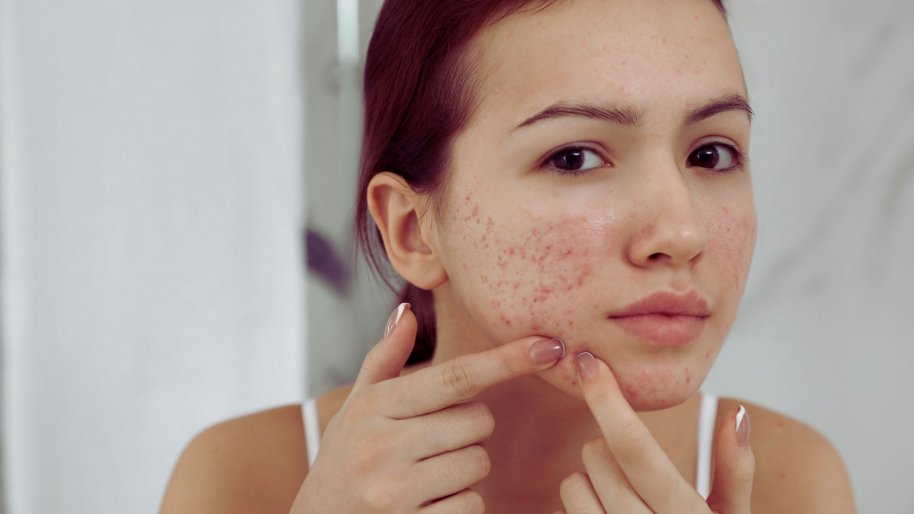

Acne is a common skin condition that develops when hair follicles become clogged with oil, dead skin cells, and bacteria. It affects people of all ages, though it is most prevalent during adolescence. While often viewed as a cosmetic issue, acne can significantly impact emotional well-being and self-confidence.
What Causes Acne?
Several internal and external factors contribute to acne formation. The most common include:
1. Excess Sebum Production
Overactive oil glands increase the likelihood of clogged pores, especially in individuals with oily skin.
2. Hormonal Fluctuations
Hormones—particularly androgens—can stimulate oil production. Breakouts are common during:
-
Puberty
-
Menstrual cycles
-
Pregnancy
-
Hormonal disorders
3. Bacteria Growth
Cutibacterium acnes thrives in blocked pores and causes inflammation, leading to painful pimples or cysts.
4. Dead Skin Cell Buildup
If dead cells do not shed properly, they accumulate inside follicles, resulting in blockages.
5. Genetics
A family history of acne increases the likelihood of developing the condition.
6. Lifestyle Factors
Some habits may worsen acne, including:
-
High-sugar diets
-
Not cleansing the skin properly
-
Stress
-
Use of comedogenic (pore-clogging) skincare products
Types of Acne
Understanding the type of acne helps determine the right treatment.
Non-Inflammatory
-
Blackheads – open clogged pores that appear dark
-
Whiteheads – closed clogged pores beneath the skin surface
Inflammatory
-
Papules – small, red, tender bumps
-
Pustules – pimples with visible white or yellow pus
-
Nodules – hard, painful lumps deep under the skin
-
Cysts – large, pus-filled lesions that may leave scars
Effective Acne Treatments
Over-the-Counter Options
These are suitable for mild to moderate acne:
-
Benzoyl peroxide (kills bacteria and reduces inflammation)
-
Salicylic acid (exfoliates pores and prevents buildup)
-
Retinoids (promote cell turnover and prevent clogged pores)
-
Sulfur-based products (absorbs excess oil)
Prescription Treatments
Dermatologists may recommend stronger medications:
-
Topical or oral retinoids
-
Antibiotics to control bacteria
-
Hormonal therapy such as birth control pills
-
Isotretinoin for severe, cystic acne
Professional Skin Procedures
Some treatments accelerate healing or reduce scars:
-
Chemical peels
-
Laser or light therapy
-
Microdermabrasion
-
Drainage and extraction
Preventing Acne Breakouts
Practice a Gentle Skincare Routine
-
Wash your face twice daily with a mild cleanser
-
Avoid scrubbing harshly
-
Use non-comedogenic products
-
Always remove makeup before bed
Maintain Healthy Lifestyle Habits
-
Eat a balanced diet rich in whole foods
-
Drink plenty of water
-
Manage stress through exercise or meditation
-
Change pillowcases regularly
Avoid Picking or Squeezing Pimples
This prevents scarring and reduces bacterial spread.
When to See a Dermatologist
Professional help is recommended if:
-
Acne persists despite over-the-counter treatments
-
Breakouts are severe or painful
-
You notice scarring or dark spots
-
Acne affects self-esteem or daily life
A dermatologist can create a customized treatment plan tailored to your skin type.
FAQs
1. Can certain foods trigger acne?
Some individuals notice flare-ups after consuming sugary or dairy-rich foods, though triggers vary from person to person.
2. How long does acne take to heal with treatment?
Most treatments require 6–12 weeks to show noticeable results.
3. Does stress make acne worse?
Stress can increase hormonal activity, which may lead to more oil production and breakouts.
4. Can acne occur in adults?
Yes, adult acne is common and often linked to hormones, stress, and skincare habits.
5. Is it okay to pop pimples?
No. Popping pimples increases the risk of infection, inflammation, and scarring.
6. Do natural remedies help acne?
Some natural ingredients like tea tree oil can help mild acne, but they should be used cautiously and may not work for everyone.
7. Can lack of sleep cause acne?
Poor sleep can elevate stress hormones, potentially worsening acne.

Comments are closed.