
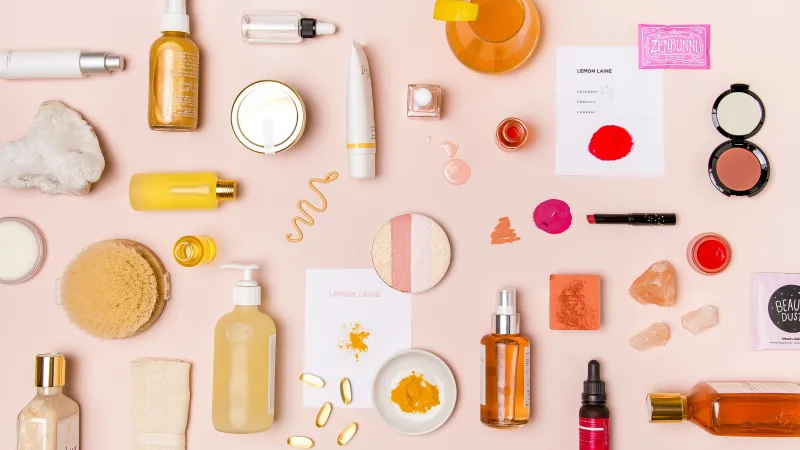

Cosmetics refer to a wide range of products designed to enhance, cleanse, or change the appearance of the skin, hair, and nails. These products include everything from makeup and skincare to fragrances and personal care essentials.
The Evolution of Cosmetics
Ancient Beginnings
Cosmetic use can be traced back thousands of years. Ancient civilizations such as Egypt and Greece used natural pigments, oils, and minerals for beauty and ritualistic purposes.
Modern Advancements
Today’s cosmetics combine scientific innovation, dermatological research, and ethical considerations such as cruelty-free and sustainable production.
Major Categories of Cosmetics
1. Makeup Products
These enhance facial features or create specific looks.
-
Foundation for even skin tone
-
Concealer for spot correction
-
Mascara to define lashes
-
Lipsticks & glosses for color and shine
-
Eyeshadow & liners to shape eye contours
2. Skincare Essentials
Skincare aims to protect and nourish the skin.
-
Cleansers
-
Moisturizers
-
Serums rich in active ingredients such as vitamin C or hyaluronic acid
-
Sunscreens for UV protection
3. Haircare Products
Hair-focused cosmetics support cleansing, conditioning, and styling.
-
Shampoos & conditioners
-
Hair masks
-
Leave-in treatments
-
Styling gels, sprays, and oils
4. Fragrances
Perfumes, body mists, and aftershaves fall under this category, crafted through blends of essential oils and aromatic compounds.
5. Personal & Hygiene Products
These include deodorants, body lotions, soaps, and oral hygiene items.
Benefits of Using Cosmetics
Enhanced Appearance
Cosmetics help refine facial features and promote confidence.
Skin Protection
Products like moisturizers and sunscreens support overall skin health.
Self-Expression
Color cosmetics offer a creative outlet, allowing individuals to express mood, personality, or artistic flair.
Improved Hygiene
Personal care cosmetics maintain cleanliness and improve overall well-being.
Safety Tips When Choosing Cosmetics
Read Ingredient Labels
Understanding additives, fragrances, and active ingredients helps avoid irritants.
Patch-Test New Products
A small test prevents potential allergic reactions.
Choose Products for Your Skin Type
Oily, dry, combination, and sensitive skin all respond differently to formulas.
Avoid Expired Products
Old cosmetics may contain bacteria or lose effectiveness.
Consider Ethical Certifications
Terms like cruelty-free, vegan, and dermatologist-tested can guide safe and responsible choices.
Emerging Trends in Cosmetics
Clean Beauty
Consumers increasingly prefer products made with fewer synthetic chemicals and transparent ingredient lists.
Sustainable Packaging
Brands are adopting recyclable, refillable, or biodegradable packaging.
Hybrid Cosmetics
Tinted serums, moisturizer-foundation blends, and skincare-infused makeup continue to gain popularity.
Personalized Beauty
Custom formulations based on skin type, tone, and genetics are rising.
Tech-Driven Beauty
Apps, AI skin analysis tools, and virtual try-ons are transforming the shopping experience.
FAQs
1. Are natural cosmetics always safer than synthetic ones?
Not always. Natural ingredients can still cause irritation or allergies. Safety depends on formulation and skin compatibility.
2. How long can makeup products typically be used after opening?
Most last 6–24 months, depending on the product. Mascara expires faster (about 3 months), while powders can last longer.
3. Can makeup worsen acne?
Comedogenic or heavy formulas may clog pores. Non-comedogenic products are better for acne-prone skin.
4. What’s the difference between perfume, eau de parfum, and eau de toilette?
These differ in fragrance concentration. Perfume is the strongest, while eau de toilette has a lighter scent.
5. How often should I replace my skincare products?
Most skincare products last 6–12 months after opening, but sunscreens should be replaced yearly.
6. What ingredients should people with sensitive skin avoid?
Fragrances, harsh alcohols, and strong acids can irritate sensitive skin.
7. How important is SPF in cosmetics?
Very important. SPF helps prevent premature aging, sunburn, and long-term skin damage.

Comments are closed.